
How Diablo II’s Soundtrack Gains New Life Through Trading Culture and Nostalgia
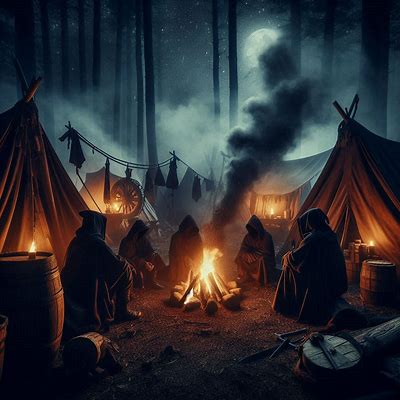 Diablo II was released in 2000, yet its soundtrack is still played, shared, and remixed more than two decades later. Few game soundtracks survive this long without a remake or reboot pushing them back into the spotlight. Diablo II’s dark ambient music has done exactly that, carried forward by players who never really left the game behind.
One reason is the trading culture that continues to surround the game. Marketplaces like Yes Gamers keep players active by making it easy to trade D2 items, even years after release. That activity does more than move gear between accounts. It keeps people logging in, revisiting familiar towns, and hearing the same haunting melodies that once defined late nights and long dungeon runs.
A Soundtrack Built to Linger
Diablo II’s music was never loud or demanding. It stayed in the background, slow and uneasy, built from soft percussion, distant strings, and low drones. The soundtrack felt more like an atmosphere than a set of songs. That design choice is why it still works today.
When players return to trade or manage their characters, the music slips back in without effort. The Rogue Encampment theme still signals safety. The desert tracks still feel dry and tense. These sounds are tied to memory, not just gameplay. Hearing them again often brings back exact moments, a lucky drop, a close call, a late-night session with friends.
Trading as a Trigger for Memory
Item trading creates small but meaningful returns to the game. Players may log in for a short session to check values, complete a deal, or prepare a character for sale. Each visit comes with sound. Over time, those short visits add up.
As Diablo II items continue to circulate, so does the music attached to the places where trades happen. Town hubs become meeting points again. Stash management happens to familiar rhythms. Even menu sounds and ambient loops help rebuild emotional connections that newer games often fail to create.
From Gameplay to Playlists
This renewed exposure has pushed the soundtrack beyond the game itself. Many players now use Diablo II music as background audio while working, studying, or streaming. YouTube and Spotify are filled with long ambient loops, remastered tracks, and fan-made mixes inspired by the original score.
Some creators blend the soundtrack with modern ambient or lo-fi styles. Others keep it untouched, letting the slow pace speak for itself. These tracks are often described as calming, focused, or nostalgic. Trading sessions are sometimes streamed with the original music playing softly, turning routine transactions into shared memory.
Nostalgia That Feels Active
There is a difference between passive nostalgia and active nostalgia. Watching an old trailer is passive. Logging into a character, hearing the music, and interacting with other players is active. Trading keeps nostalgia moving.
Every exchange brings a short return to the world of Sanctuary. The soundtrack becomes part of that loop. It reinforces why the game still matters. It explains why people care about balance changes, item values, and character builds so many years later.
A Living Archive of Sound
Older games often fade because their communities fade. Diablo II avoided that fate. Trading networks act like a living archive. They preserve systems, habits, and sounds that would otherwise disappear.
As long as players care about value, rarity, and progress, the music remains relevant. It becomes a shared language. New players hear it for the first time. Veterans hear it again with deeper meaning. Both groups keep it alive in different ways.
READ ALSO: How Music affects on gaming
Why the Music Still Matters
Diablo II’s soundtrack survives because it is tied to action. It plays while decisions are made and risks are taken. Trading reinforces that connection. Each visit to the game brings the music back into daily life, even if only for a few minutes.
That cycle keeps nostalgia grounded. It is not frozen in the past. It moves forward with every trade, every login, and every familiar note. As long as Diablo II trading remains active, its soundtrack will continue to echo far beyond the game itself.
In the end, the value of Diablo II items is measured in more than stats or rarity. It is measured in memories, atmosphere, and music that still feels alive today.
Read More How Diablo II’s Soundtrack Gains New Life Through Trading Culture and Nostalgia